
Zendesk is an AI-powered customer experience platform unifying support across email, chat, voice, and social channels. It is worth the investment for organisations seeking lower operational costs and faster resolutions, delivering measurable ROI through automated triage, agent productivity gains of up to 30%, and rapid time-to-value compared to legacy CRM suites.
Zendesk is a customer experience platform designed to help organisations manage and improve interactions across the entire customer journey.
Founded in Denmark and now headquartered in San Francisco, Zendesk has evolved far beyond a traditional help desk solution. Today, it enables companies to combine support, data and automation to deliver faster, more personalised and scalable customer service.
Rather than acting as a simple ticketing system, Zendesk connects teams, channels and customer data into a single, unified environment.
While Zendesk is often associated with CRM, its real strength lies in customer experience (CX).
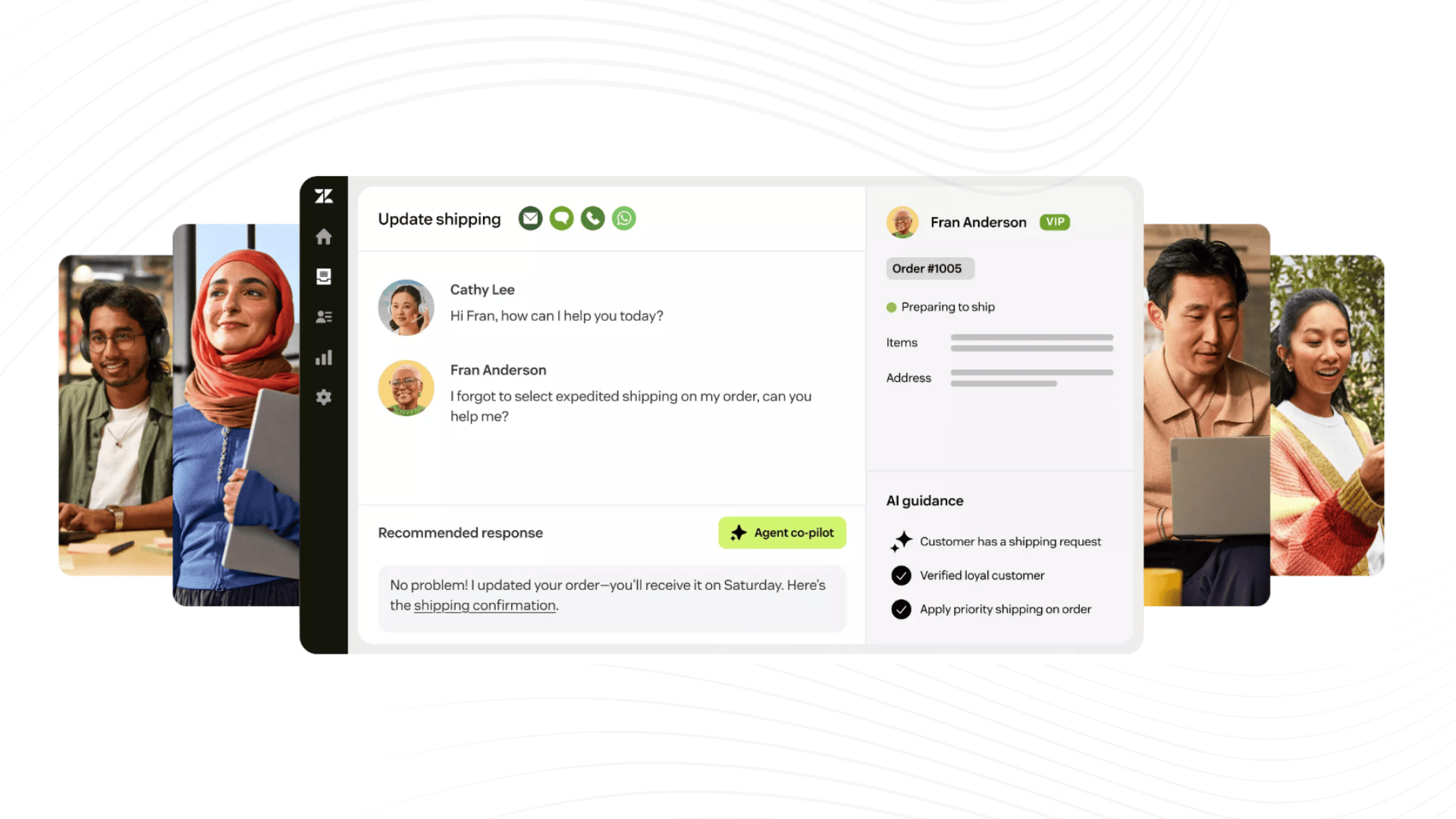
Modern customers expect fast, seamless and personalised support, regardless of the channel they use. Zendesk enables this through an omnichannel approach that brings together email, chat, social media and voice into one platform.
This unified view allows organisations to:
The result is not only better service, but also more efficient internal processes.
Zendesk has evolved significantly in recent years, incorporating automation and artificial intelligence to enhance both customer and agent experiences.
Zendesk enables businesses to manage all customer interactions from a single interface, ensuring continuity and context across channels.
With AI and automation, organisations can resolve common queries instantly, route tickets intelligently and assist agents with real-time suggestions.
This reduces workload while improving response speed and accuracy.
Customers increasingly prefer to solve issues on their own. Zendesk supports this through dynamic help centres and knowledge bases that provide relevant answers based on context.
This not only improves customer satisfaction but also reduces operational costs.
Zendesk allows organisations to analyse customer interactions, identify trends and optimise performance using data-driven insights.
Zendesk is used to manage and optimise customer interactions across multiple touchpoints.
It supports a wide range of use cases, including:
In addition, Zendesk integrates easily with other tools and platforms, allowing organisations to build a connected ecosystem tailored to their needs.
One of Zendesk’s key advantages is its scalability.
Whether you are a growing SME or a global enterprise, the platform can adapt to your business needs. It allows organisations to start with basic support capabilities and gradually expand into more advanced CX strategies, including automation, AI and proactive engagement.
This flexibility makes Zendesk a long-term solution rather than a short-term tool.
The role of customer service has changed. It is no longer just about resolving issues, but about building relationships and creating value at every interaction.
Zendesk enables this shift by helping organisations move from reactive support to proactive, experience-driven strategies.
By combining data, automation and human interaction, businesses can deliver experiences that not only solve problems but also strengthen customer loyalty.
At redk, we help organisations design and implement customer experience strategies using platforms like Zendesk, connecting technology, data and processes to deliver measurable results.
👉 Request an assessment and discover how to take your CX strategy to the next level.
Zendesk is a customer experience platform used to manage and improve customer interactions throughout the customer journey. Its uses include customer support, help desk ticketing, self-service portals, internal team collaboration, and performance reporting. It brings support, customer data, and automation together in a unified environment.
Zendesk brings email, chat, social media, and voice interactions into one platform. Teams can manage customer interactions from a single interface while retaining context and continuity across channels. This unified view helps reduce information silos, improve response times, and provide more consistent support.
AI and automation in Zendesk can resolve common queries, route tickets intelligently, and provide agents with real-time suggestions. These capabilities help reduce the workload on support teams while improving response speed and accuracy, supporting both the customer experience and the agent experience.
Zendesk supports self-service through help centres and knowledge bases that provide relevant answers based on context. This allows customers to solve issues on their own rather than relying entirely on support teams. The article identifies improved customer satisfaction and reduced operational costs as benefits of this approach.
Zendesk allows organisations to analyse customer interactions, identify trends, and use data-driven insights to optimise performance. Performance tracking and reporting are among its stated use cases. These capabilities help teams use information from customer interactions to guide improvements in their customer service operations.
Zendesk integrates with other tools and platforms, allowing organisations to build a connected ecosystem tailored to their needs. The article presents integration as part of managing and optimising customer interactions, but does not identify specific connectors or explain technical requirements for implementing those integrations.
Zendesk can adapt to the needs of growing SMEs and global enterprises. Organisations can begin with basic support capabilities and gradually expand into more advanced customer experience strategies, including automation, AI, and proactive engagement. This flexibility supports using the platform as a long-term solution.
Zendesk is worth considering for businesses seeking unified support, automation, and a scalable customer experience approach. The article highlights moving from reactive issue resolution towards proactive engagement by combining data, automation, and human interaction. It does not provide pricing, a quantified return on investment, or guaranteed outcomes.