

For banks, insurers, wealth managers, fintechs and other financial institutions, this creates both an opportunity and a challenge. Traditional relationship-based selling still matters, but it now needs to be supported by data, digital engagement and connected customer journeys.
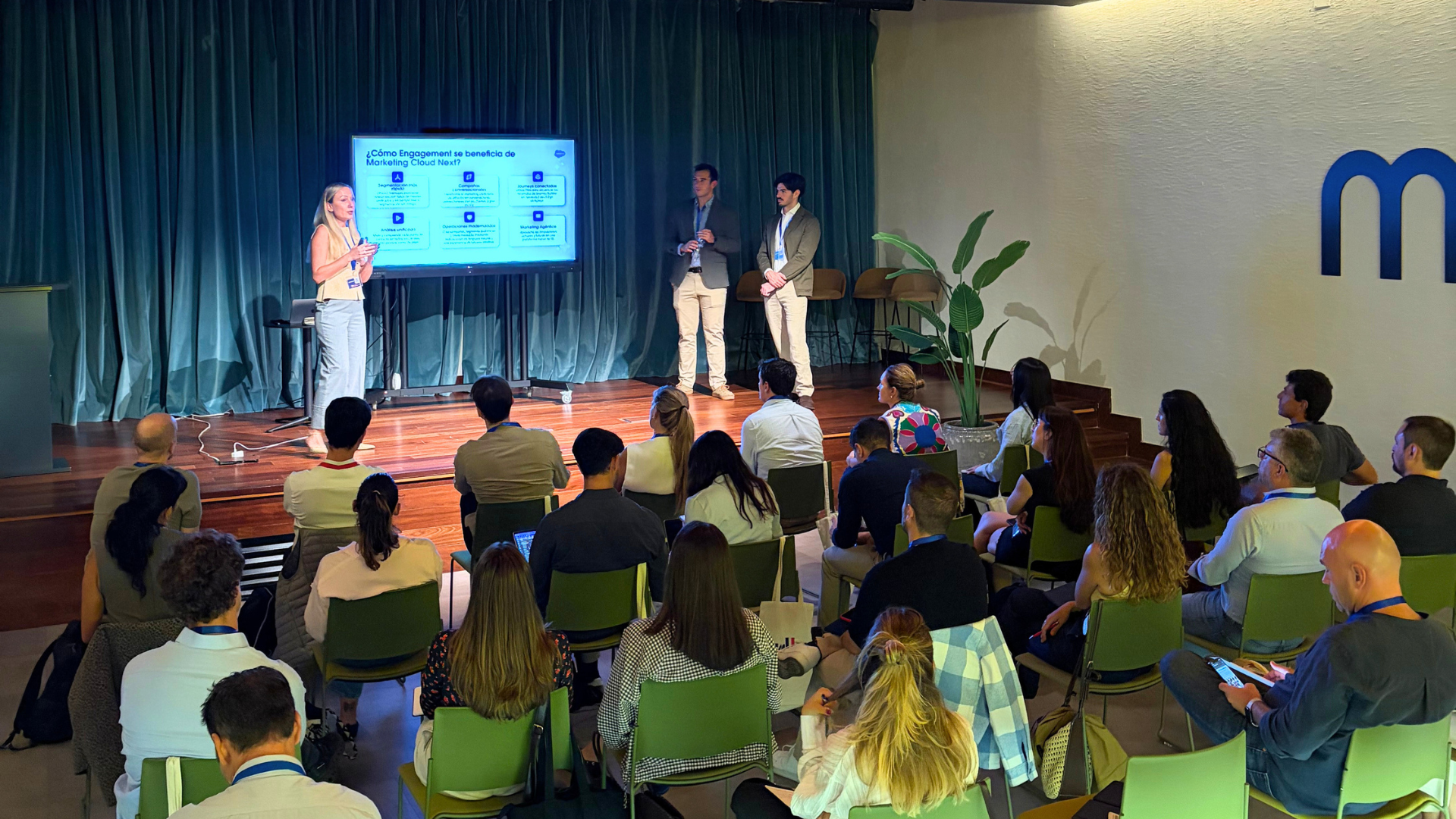
We have seen this shift first-hand through our work with AltamarCAM, where modernising customer engagement and strengthening digital capabilities are key to staying competitive in a relationship-driven market.
The most successful organisations are combining trust, expertise and technology to attract decision-makers, nurture relationships and accelerate growth.
Here are the key B2B digital marketing trends shaping financial services today.
B2B buyers in financial services move across multiple touchpoints before speaking with sales. They may research online, download content, attend webinars, compare providers and interact on LinkedIn before making contact.
This means marketing can no longer operate by channel. Prospects expect a consistent experience across website, email, events, paid media, social channels and sales conversations.
Firms that connect these touchpoints create smoother journeys, stronger brand perception and better conversion rates.
As privacy expectations rise and third-party tracking becomes less reliable, first-party data has become increasingly valuable.
Financial organisations are investing in CRM platforms, customer data strategies and marketing automation to better understand prospect behaviour and customer needs.
When data is connected effectively, marketers can segment audiences more accurately, personalise communications and improve lead qualification.
For financial services, where trust and relevance are critical, this can be a major competitive advantage.
Artificial intelligence is rapidly changing how financial marketing teams work.
AI can help analyse large volumes of customer and campaign data, identify intent signals, improve segmentation and recommend next-best actions. It also supports content creation, campaign optimisation and operational efficiency.
Used responsibly, AI allows teams to move faster while maintaining control and compliance.
For highly regulated sectors, the key is combining innovation with governance.
Generic messaging performs poorly in financial services, particularly in B2B markets where audience needs vary widely.
A CFO, risk director and operations leader may all be involved in the same buying process, but each cares about different outcomes.
Modern marketing teams are using CRM and automation tools to tailor messaging based on role, sector, lifecycle stage and previous engagement.
This creates more relevant conversations and stronger pipeline performance.
In financial services, marketing effectiveness depends heavily on trust.
Prospects need confidence that providers are credible, secure and compliant. Messaging must be clear, accurate and responsible.
Organisations that communicate transparently and demonstrate strong governance are more likely to build long-term relationships.
This is especially important when marketing innovation includes AI or advanced data usage.
At redk, we help financial institutions modernise their CRM, customer experience and marketing capabilities using leading platforms such as Salesforce and Zendesk.
We support organisations with strategy, implementation and optimisation to improve lead generation, customer engagement and operational performance.
Whether you are enhancing marketing automation, improving data visibility or aligning sales and marketing, we help turn technology into measurable growth.
👉 Book a free consultation and discover how to build smarter B2B marketing in financial services.