

How to start with AI without disrupting your operations

Topic:
CRM & AI
Date:
May 27, 2026

Practical insights on AI adoption, data readiness, and business transformation with Salesforce
Maria Dueñas
Digital Marketing Manager

Artificial Intelligence has quickly become a business priority for almost every organisation. Yet despite the growing interest, many companies are still facing the same question: where should we actually begin?

Beyond the excitement around new tools and technologies, the reality is that most organisations are still trying to understand how AI can fit into existing processes, teams, systems, and operational structures without adding unnecessary complexity or disrupting day-to-day operations.

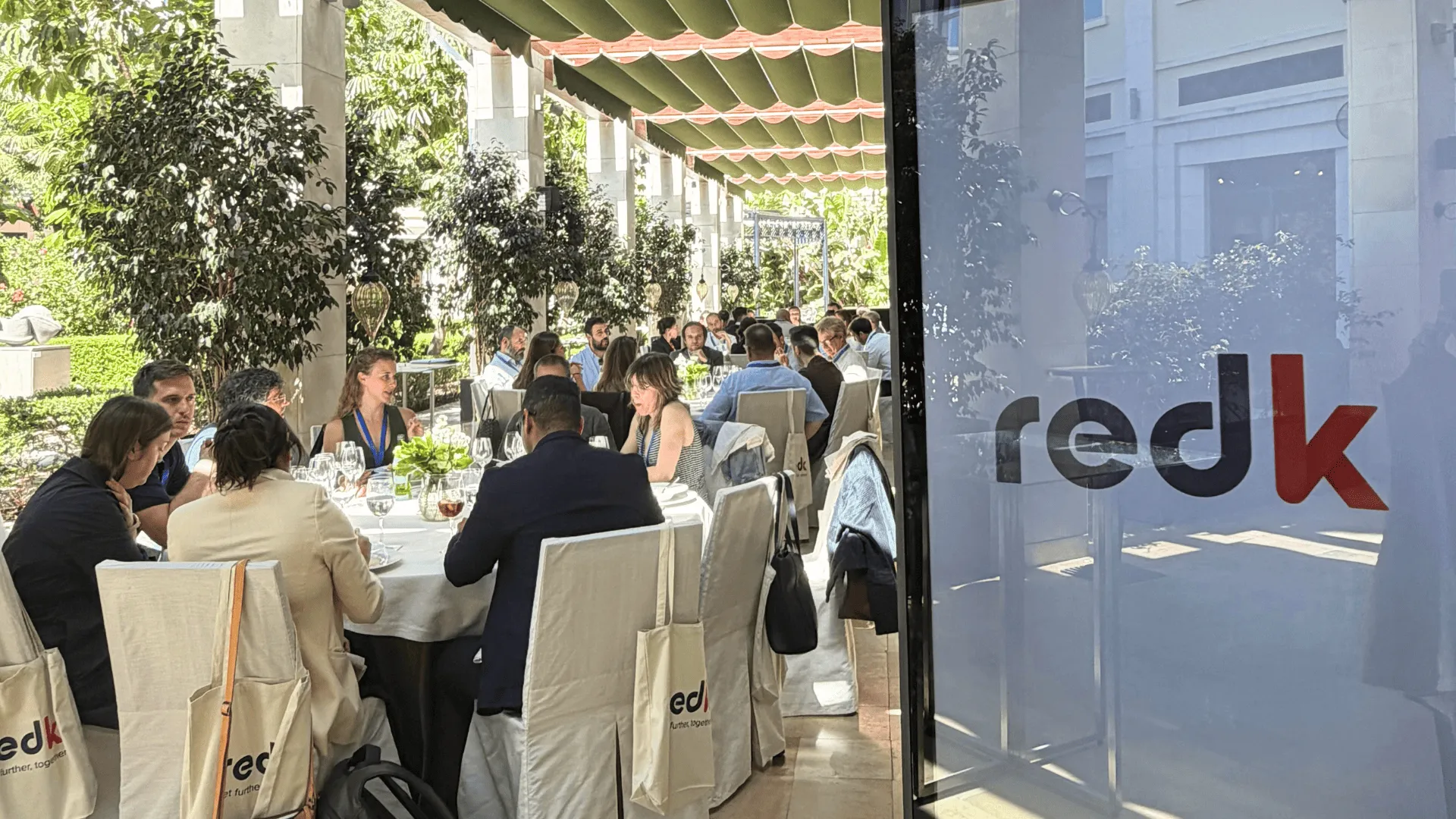
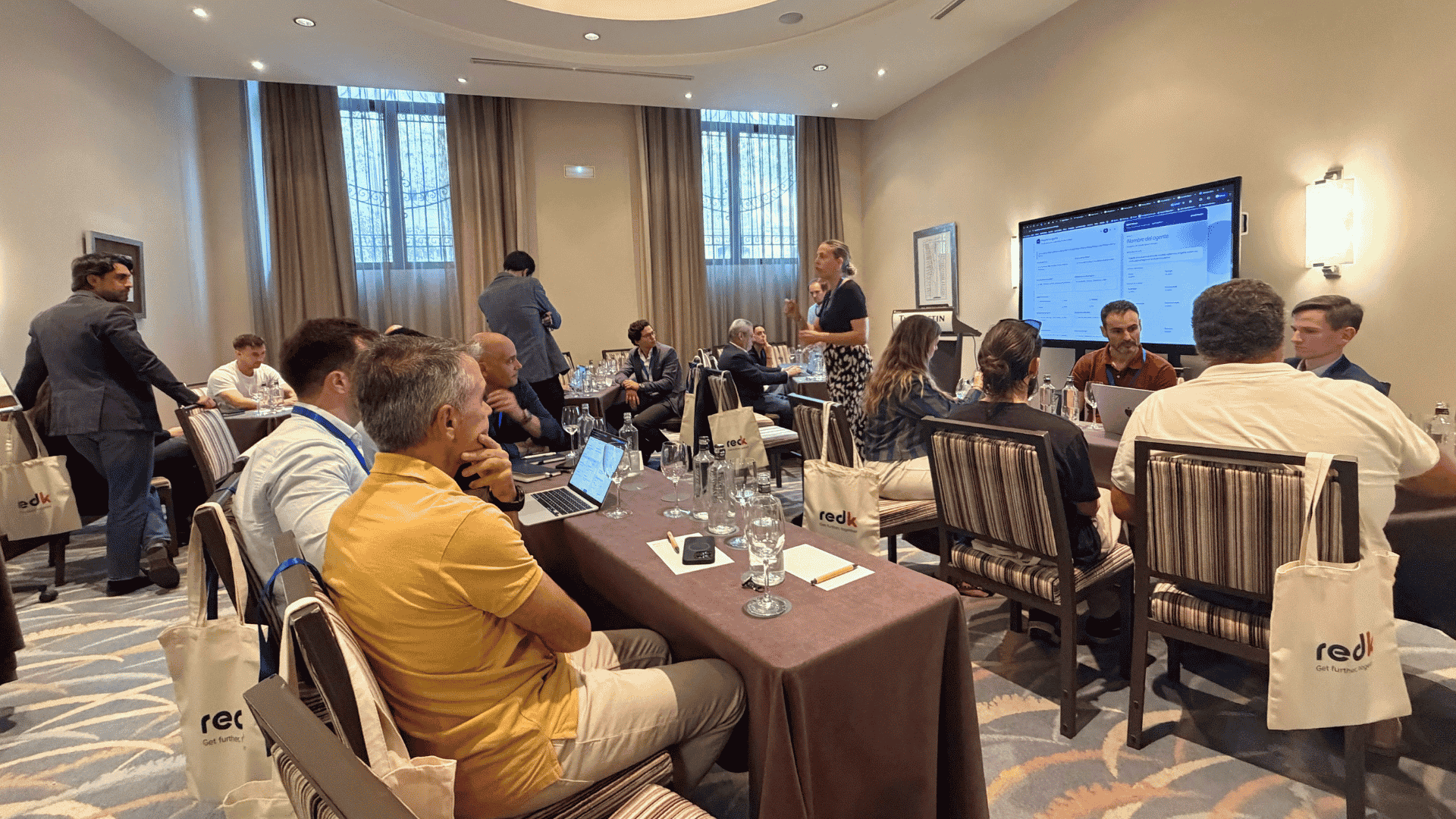
That was precisely the goal of our latest executive lunch with Salesforce in Valencia: creating a space to share practical experiences, common challenges, and real-world approaches to adopting AI in a scalable and meaningful way.

Throughout the event, business leaders from different industries came together to discuss digital transformation, customer experience, automation, and the impact AI is already having across organisations.

AI doesn’t start with technology

One of the key themes throughout the session was that successful AI adoption is not only about choosing the right tool.

Real value appears when data, processes, and business operations work together in a connected way.

During the discussions, many companies shared similar challenges they are currently facing before scaling AI initiatives:

  • Fragmented information across systems,
  • Disconnected customer data,
  • manual workflows,
  • Operational inefficiencies,
  • Difficulties prioritising the right use cases.

Another major topic was adoption itself. Because implementing AI is not simply a technical project. It requires new ways of working, clear ownership, and teams that understand where AI can genuinely support their daily operations.

One of the strongest takeaways from the event was that many organisations are still asking the wrong question: “Which AI tool do we need?” When the conversation should actually begin with something much more important: “Is our organisation ready to adopt AI in a useful and scalable way?”

How to start with AI without blocking the organisation

Another focus of the event was sharing a more practical and realistic approach to AI adoption.

The organisations moving fastest are rarely the ones launching massive transformation projects from day one. Instead, they start by identifying operational friction points, validating impact quickly, and building progressively from small but valuable use cases.

Some of the most common examples discussed included automating repetitive tasks, intelligent routing and classification, internal assistance for teams, easier access to knowledge, and improving customer experience operations.

A key idea repeated throughout the session was simple: AI creates the most value when it is directly connected to real business processes.

Salesforce & Agentforce: AI connected to business operations

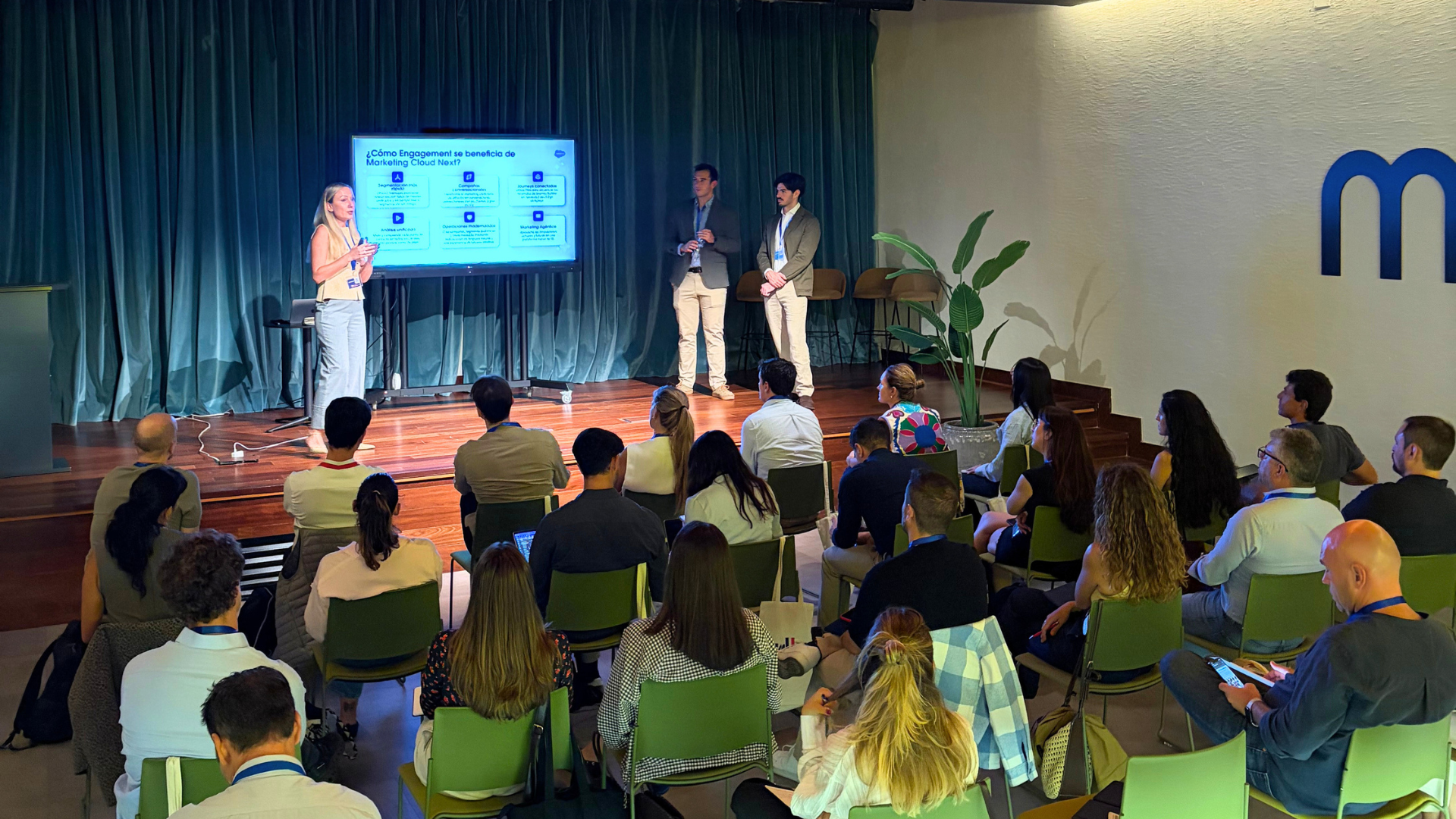
The event continued with a session led by the Salesforce team, showcasing how Agentforce is helping organisations rethink the way AI integrates with customer operations, workflows, and data ecosystems.

Through practical examples and use cases, we explored how intelligent agents can help automate tasks, improve team productivity, and create more personalised customer experiences, always connected to the company’s existing systems and operational context.

More importantly, the conversation focused on how organisations can adopt AI progressively, securely, and in alignment with real business goals.

TopCar: A real example of AI applied to business operations

The event concluded with TopCar, a leading car rental company in the Canary Islands, sharing its experience implementing AI within its operations.

The session highlighted how the company has been able to optimise internal processes and improve customer experience through AI initiatives developed progressively and aligned with specific business needs.

A strong example of how AI can generate real impact when combined with a clear strategy, solid data foundations, and a business-oriented approach.

Conversations that create value

The afternoon continued with an executive lunch at The Westin Valencia, creating a valuable environment for professionals across industries to exchange ideas, challenges, and perspectives around AI adoption.

Because although organisations may belong to different sectors, many of the questions surrounding AI are remarkably similar.

We would like to thank all attendees, speakers, and teams who joined us and helped create such valuable conversations around the future of AI-driven digital transformation.

Thinking about starting your AI journey?

At redk, we help organisations define their AI adoption strategy, prepare their data and processes, and identify practical use cases together with Salesforce and Agentforce.

If you would like to explore how to build a scalable and business-focused AI roadmap for your organisation, we would be happy to start the conversation.
{ "@context": "https://schema.org", "@type": "FAQPage", "mainEntity": [ { "@type": "Question", "name": "Where should organisations start with AI adoption?", "acceptedAnswer": { "@type": "Answer", "text": "Organisations should start by identifying real business problems, operational friction points and data readiness before choosing any AI tool. The most effective AI strategies begin with business needs, not technology alone." } }, { "@type": "Question", "name": "Why does AI adoption need more than just technology?", "acceptedAnswer": { "@type": "Answer", "text": "AI adoption requires connected data, clear processes, team ownership and a business-focused strategy. Without these foundations, AI can become disconnected from day-to-day operations and deliver limited value." } }, { "@type": "Question", "name": "What are the most common challenges before scaling AI?", "acceptedAnswer": { "@type": "Answer", "text": "Common challenges include fragmented information across systems, disconnected customer data, manual workflows, operational inefficiencies and difficulty identifying the right AI use cases to prioritise." } }, { "@type": "Question", "name": "How can businesses adopt AI without disrupting operations?", "acceptedAnswer": { "@type": "Answer", "text": "Businesses can adopt AI progressively by starting with small, high-value use cases, validating impact quickly and building on results over time instead of launching large transformation projects from the outset." } }, { "@type": "Question", "name": "What are practical first use cases for AI in business?", "acceptedAnswer": { "@type": "Answer", "text": "Practical first use cases often include automating repetitive tasks, intelligent routing and classification, internal assistance for teams, easier access to knowledge and improving customer experience operations." } }, { "@type": "Question", "name": "How does AI support customer experience operations?", "acceptedAnswer": { "@type": "Answer", "text": "AI can help customer experience operations by improving response times, automating tasks, supporting agents with relevant information and creating more personalised and efficient customer interactions." } }, { "@type": "Question", "name": "What role do data and processes play in successful AI adoption?", "acceptedAnswer": { "@type": "Answer", "text": "AI creates the most value when data, processes and business operations work together in a connected way. Strong data foundations and well-defined processes are essential for scalable AI adoption." } }, { "@type": "Question", "name": "How do Salesforce and Agentforce help with AI adoption?", "acceptedAnswer": { "@type": "Answer", "text": "Salesforce and Agentforce help organisations integrate AI into customer operations, workflows and data ecosystems, enabling automation, better productivity and more personalised experiences in a secure and connected way." } }, { "@type": "Question", "name": "Why is progressive AI adoption better than large transformation projects?", "acceptedAnswer": { "@type": "Answer", "text": "Progressive adoption reduces risk, helps teams learn faster and allows organisations to prove value through smaller use cases before expanding AI across more complex business areas." } }, { "@type": "Question", "name": "What kind of business impact can AI create when implemented well?", "acceptedAnswer": { "@type": "Answer", "text": "When implemented with the right strategy and data foundations, AI can improve efficiency, strengthen customer experience, optimise internal processes and generate measurable business impact." } }, { "@type": "Question", "name": "How can redk help organisations start their AI journey?", "acceptedAnswer": { "@type": "Answer", "text": "redk helps organisations define their AI adoption strategy, prepare data and processes, and identify practical use cases with Salesforce and Agentforce to build a scalable, business-focused AI roadmap." } } ] }

Blogs you may like

SugarCRM

Cloud-based CRM: Benefits & Rewards

No items found.
Salesforce

How to Calculate the ROI of AI-Driven Customer Service

No items found.